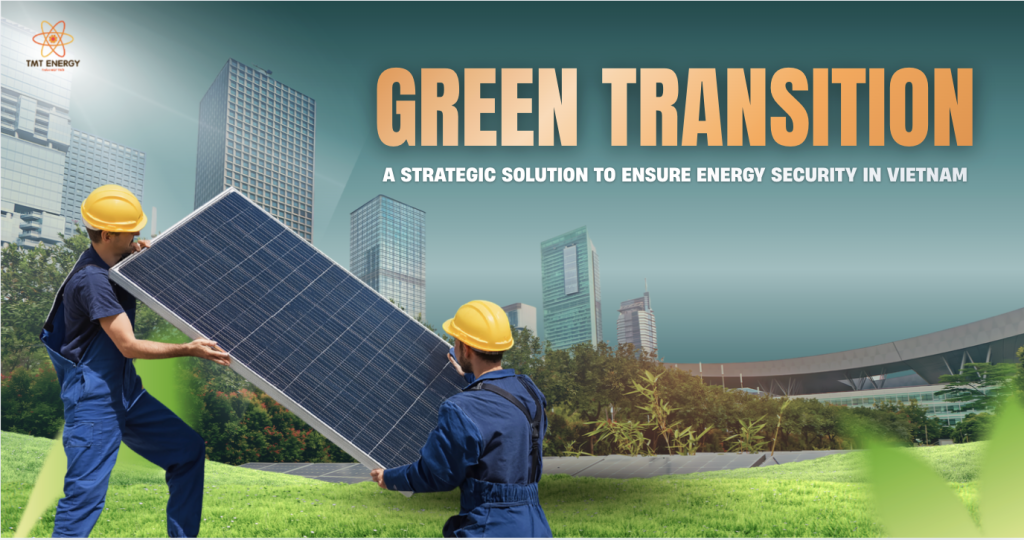
The green transition in energy use is emerging as a key solution to ensuring national energy security in Vietnam, especially as traditional energy resources are gradually declining. Beyond securing energy supply, renewable energy also brings significant economic value, contributes to greenhouse gas emission reduction, and supports Vietnam’s national commitment to achieving Net Zero emissions. The installation of rooftop solar power systems has become increasingly popular, reflecting a growing shift toward cleaner and more sustainable energy solutions across the country.
Policy-Driven Direction for Energy Transition
Vietnam’s commitment to energy transition has been clearly institutionalized through a series of resolutions, decisions, and policy frameworks issued by the Party and the Government.
Key policy milestones include:
-
Resolution No. 55-NQ/TW (February 11, 2020) on the orientation of Vietnam’s National Energy Development Strategy to 2030, with a vision to 2045
-
Resolution No. 70-NQ/TW (August 20, 2025) on ensuring national energy security to 2030, with a vision to 2045
-
Decision No. 1658/QĐ-TTg (October 1, 2021) approving the National Green Growth Strategy for the 2021–2030 period
-
Decision No. 500/QĐ-TTg (May 15, 2023) approving the Power Development Plan VIII
-
Directive No. 44/CT-TTg (December 9, 2024) on accelerating key tasks and solutions to implement the National Green Growth Strategy
According to statistics from the Ministry of Industry and Trade, Vietnam’s total primary energy supply has grown by over 8% per year for many consecutive years. However, this growth has been accompanied by the rapid depletion of traditional energy resources.
Over the past decade, the share of imported primary energy (including fuels for thermal power generation) has increased sharply from 8.4% to 39.4%. Hydropower resources have largely reached their maximum exploitable capacity, while domestic fuel production has declined or failed to meet demand. These factors have resulted in localized power shortages and rotational power cuts, directly affecting industrial production and daily life.
Structural Bottlenecks in the Energy System
Despite the rapid development of renewable energy, Vietnam’s energy infrastructure, grid management capacity, and operational systems have not kept pace with actual demand.
Renewable energy projects are heavily concentrated in central regions, while limitations in grid connection and transmission capacity have prevented these resources from being fully utilized. In addition, delays in adjusting energy-related strategies and master plans have further constrained system efficiency.
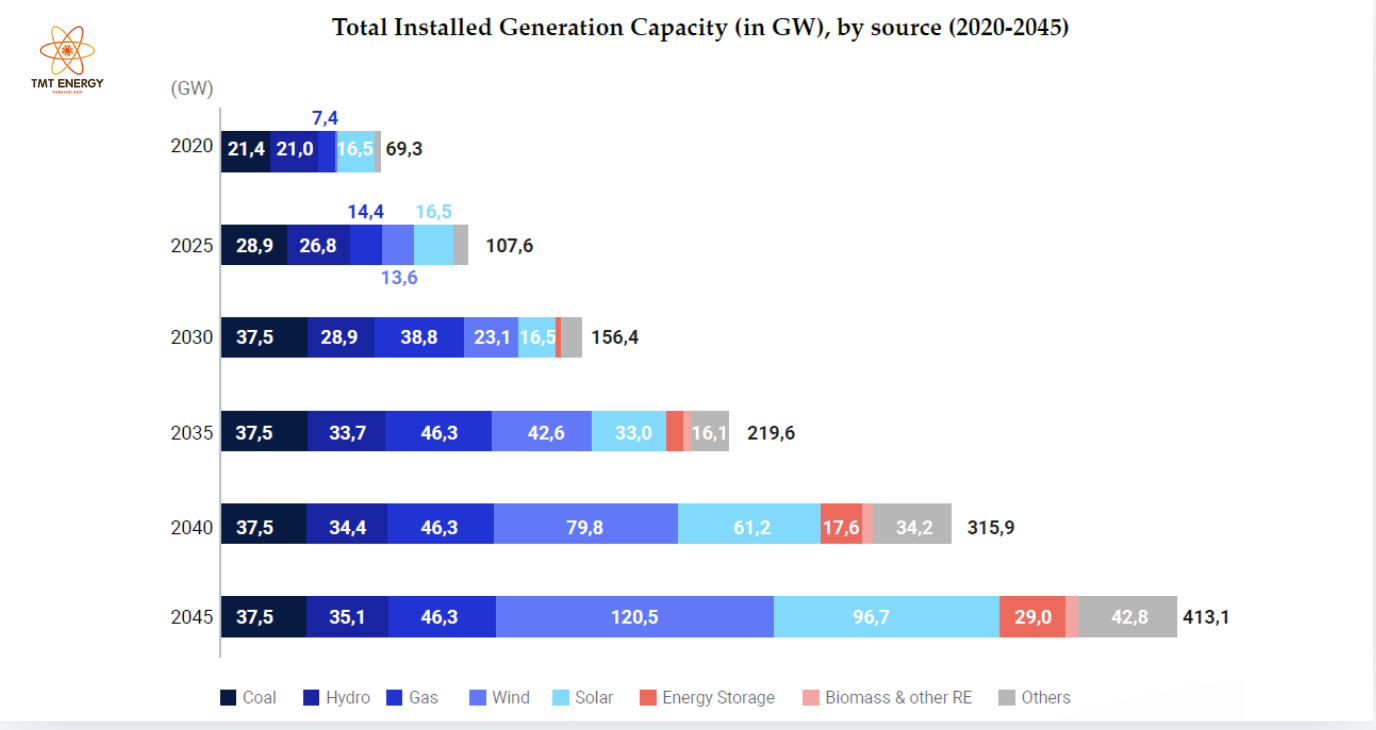
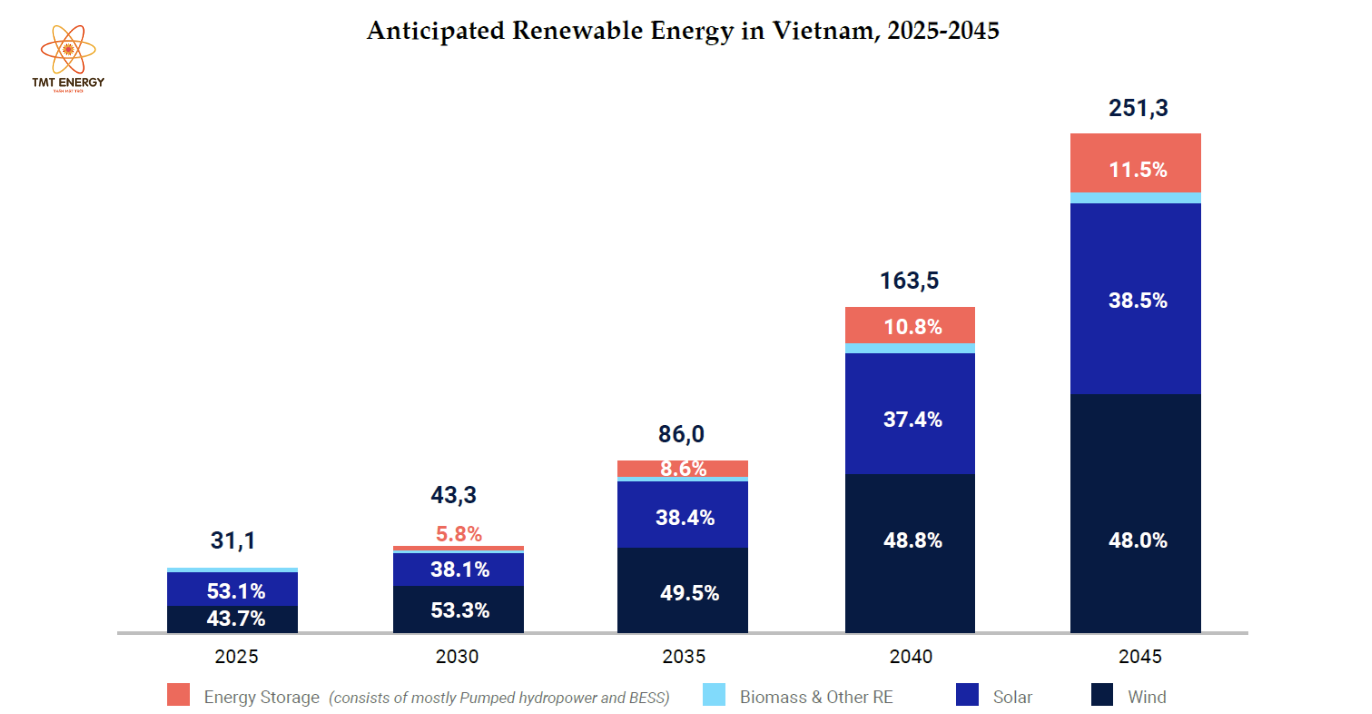
Currently, electricity generated from renewable sources accounts for only about 20% of total installed capacity nationwide. Meanwhile, economic growth, industrial expansion, and urbanization continue to drive rising electricity demand.
Under Resolution No. 70-NQ/TW, Vietnam has set ambitious targets for 2030:
-
Renewable energy to account for 25–30% of total capacity
-
Energy savings of 8–10%
-
Greenhouse gas emission reductions of 15–35%
In this context, the green transition in energy use is not only an economic choice but a strategic imperative to ensure long-term energy security.
Practical Applications and Pilot Models
Globally, energy transition is no longer a new concept, and Vietnam has already seen widespread adoption at multiple levels—from government agencies and businesses to households installing rooftop solar systems.
Major domestic economic groups, including Vietnam National Industry-Energy Group, Vietnam Electricity (EVN), and the Vietnam National Coal-Mineral Industries Group, have developed long-term green transition strategies. These focus on:
-
Efficient and economical energy use
-
Expansion of renewable energy
-
Greening production facilities
-
Financial and technical support mechanisms
Using renewable energy helps organizations:
-
Strengthen energy security
-
Reduce operating costs
-
Achieve greater energy autonomy and stability
-
Lower emissions and protect the environment
These solutions are particularly suitable for agencies and facilities located in regions with abundant sunlight, wind, and coastal advantages.
Moving Toward Green Energy in Public and Specialized Sectors
According to reports from the Department of Health (Ministry of Public Security), most units within the sector still rely on the national power grid. In remote, border, and island areas, electricity supply remains unstable, potentially affecting emergency response and mission readiness.
Several pilot projects demonstrate promising results:
-
At the Department of Health headquarters, a rooftop solar system has been deployed in Phase I, with Phase II underway, reaching a total capacity of 42 kWp.
-
The rooftop solar project at Ninh Thuan Provincial Police headquarters (now Khanh Hoa Provincial Police) installed 570 solar panels and inverter systems, saving approximately VND 1 billion per year after two years of operation.
-
The rooftop solar project at Hospital 199 (Ministry of Public Security) is being approved with an expected output of 1.314 million kWh per year.
These cases illustrate the effectiveness of renewable energy solutions even in sectors with specialized operational requirements.
Roadmap and Strategic Solutions
Based on scientific analysis and real-world implementation, the Department of Construction Management and Logistics (Ministry of Public Security) has proposed three major solution groups:
-
Planning and architectural design solutions
-
Energy and technical system solutions
-
Resource efficiency and environmental protection solutions
Notably, each rooftop solar system can achieve investment payback within 5–6 years.
The proposed roadmap includes:
-
Phase I (2025–2026): Pilot implementation at key units – “Green Unit” level
-
Phase II (2027–2030): Nationwide rollout, prioritizing facilities with rooftop areas over 500 m² – “Clean Energy Cluster” level
-
Phase III (from 2030): Integrated systems combining solar power, electric vehicles, smart lighting, and green data centers – “Energy-Autonomous Zone” level
Economic Perspective and Remaining Challenges
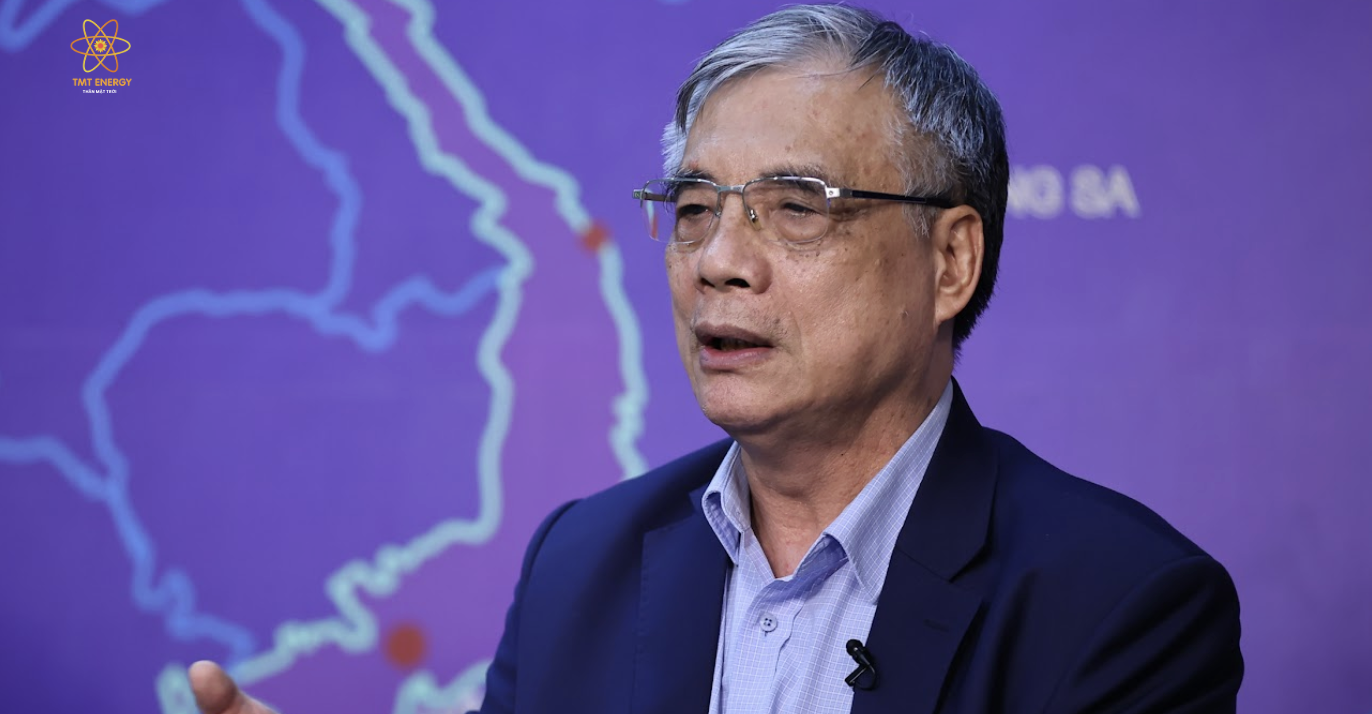
From an economic standpoint, Professor Dr. Tran Dinh Thien emphasizes that the transition from traditional energy to renewable energy is an inevitable, era-defining requirement for the entire economy and society. Armed forces and public institutions possess significant natural potential for renewable energy development.
However, success depends on overcoming challenges related to:
-
Clear green standards and criteria
-
Institutional and operational frameworks
-
Governance systems for construction, operation, and transition management
-
Application of advanced technologies such as AI, IoT, and big data
Additional barriers include inter-ministerial coordination, data sharing mechanisms, administrative procedures, limited prioritization of public investment capital, and the lack of clear financing mechanisms for renewable energy projects. Developing high-quality human resources and unified grid-connection regulations is also essential.
