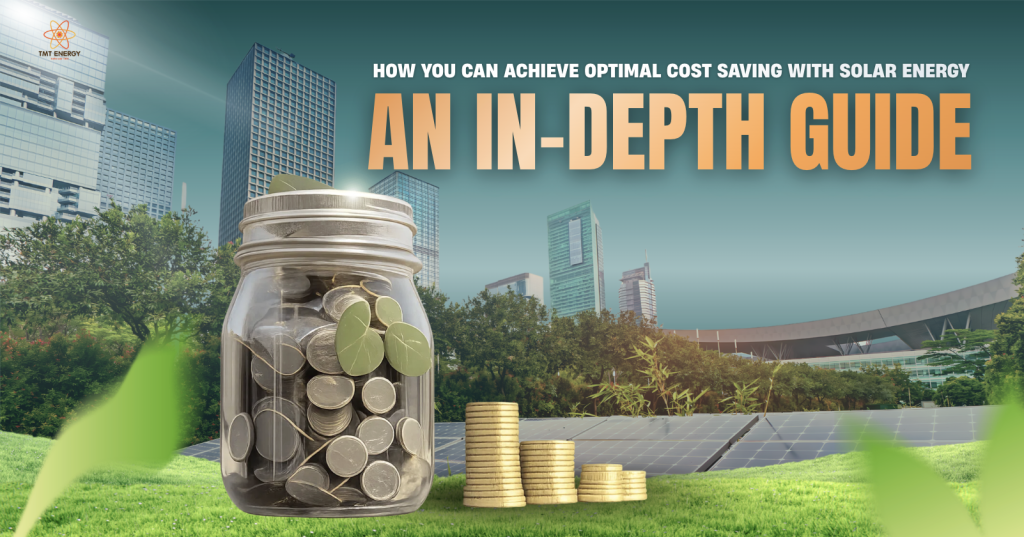
In recent years, the rise of solar energy has become one of the most impactful energy trends. As global awareness of environmental issues increases, more businesses and homeowners are exploring the benefits of solar energy. One of the most compelling benefits is the potential for significant cost savings from solar energy. This guide will delve into how solar energy can deliver significant financial benefits, including reduced energy bills, increased property value, and long-term investment returns.
Understanding the basics of solar energy
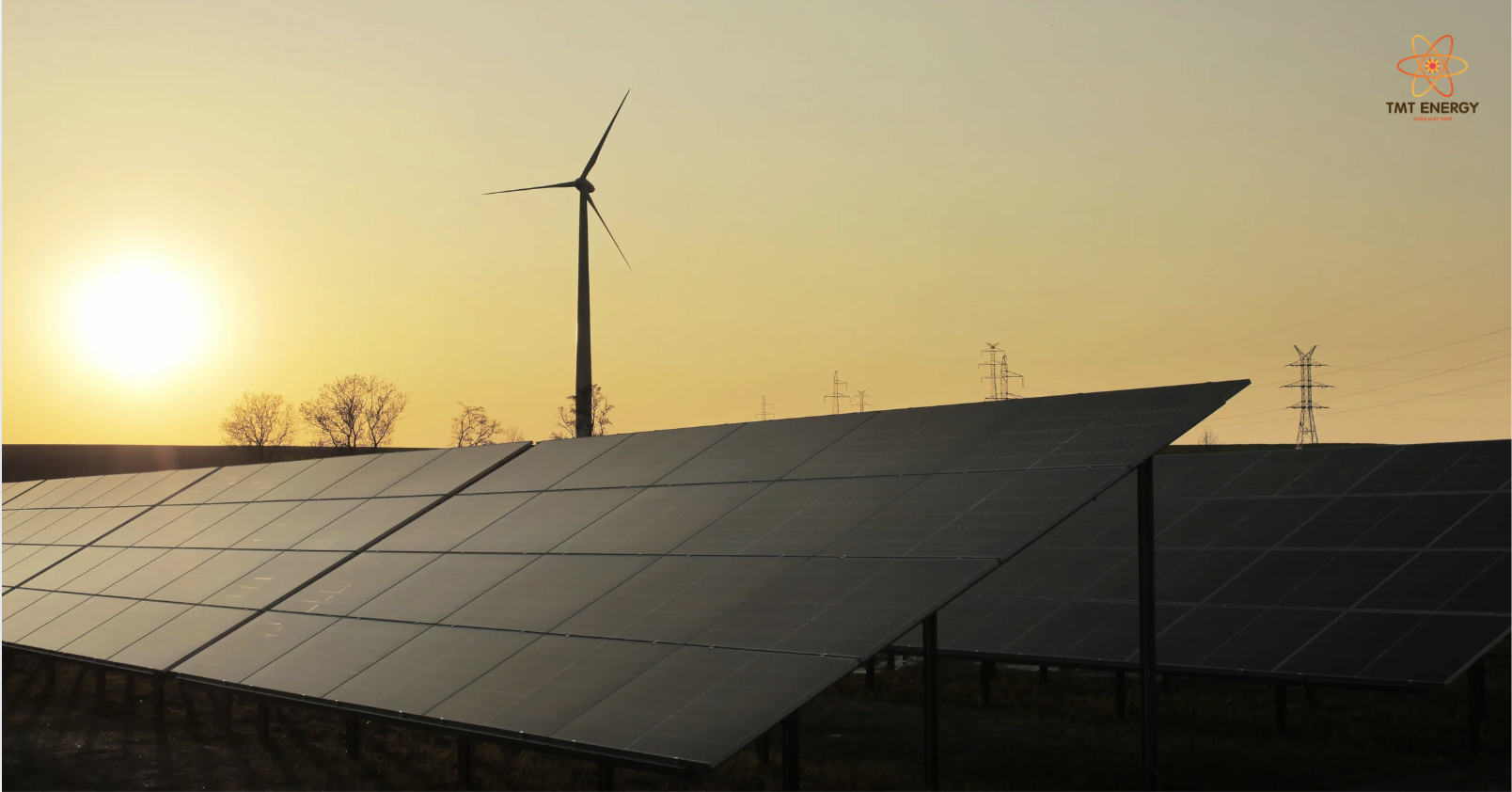
Solar power captures solar energy through advanced photovoltaic (PV) panels, converting sunlight directly into useful electricity. By integrating a solar power system, businesses can produce their own clean electricity, significantly reducing their dependence on traditional energy sources.
This transition not only supports environmental sustainability but also delivers significant cost savings – making solar a smart, long-term financial strategy for modern businesses.
Reduce electricity bills
Solar energy allows businesses to reduce their electricity costs by generating their own electricity and reducing their reliance on the grid. Here are the main ways solar solutions can help reduce your business’s electricity costs:
1. Solar panels – Generate your own cheap electricity
A well-designed solar system can significantly reduce monthly electricity bills – sometimes by up to 100%, depending on the size of the system and energy consumption.
By generating clean electricity on-site, businesses get a stable and predictable source of energy, protecting them from rising grid prices and peak hour charges.
In addition to saving on operating costs, installing solar panels can also increase asset value and strengthen a company’s ESG profile, making it more attractive to international partners, investors and customers.
2. Net Metering and Feed-in Tariffs – Maximizing Financial Benefits
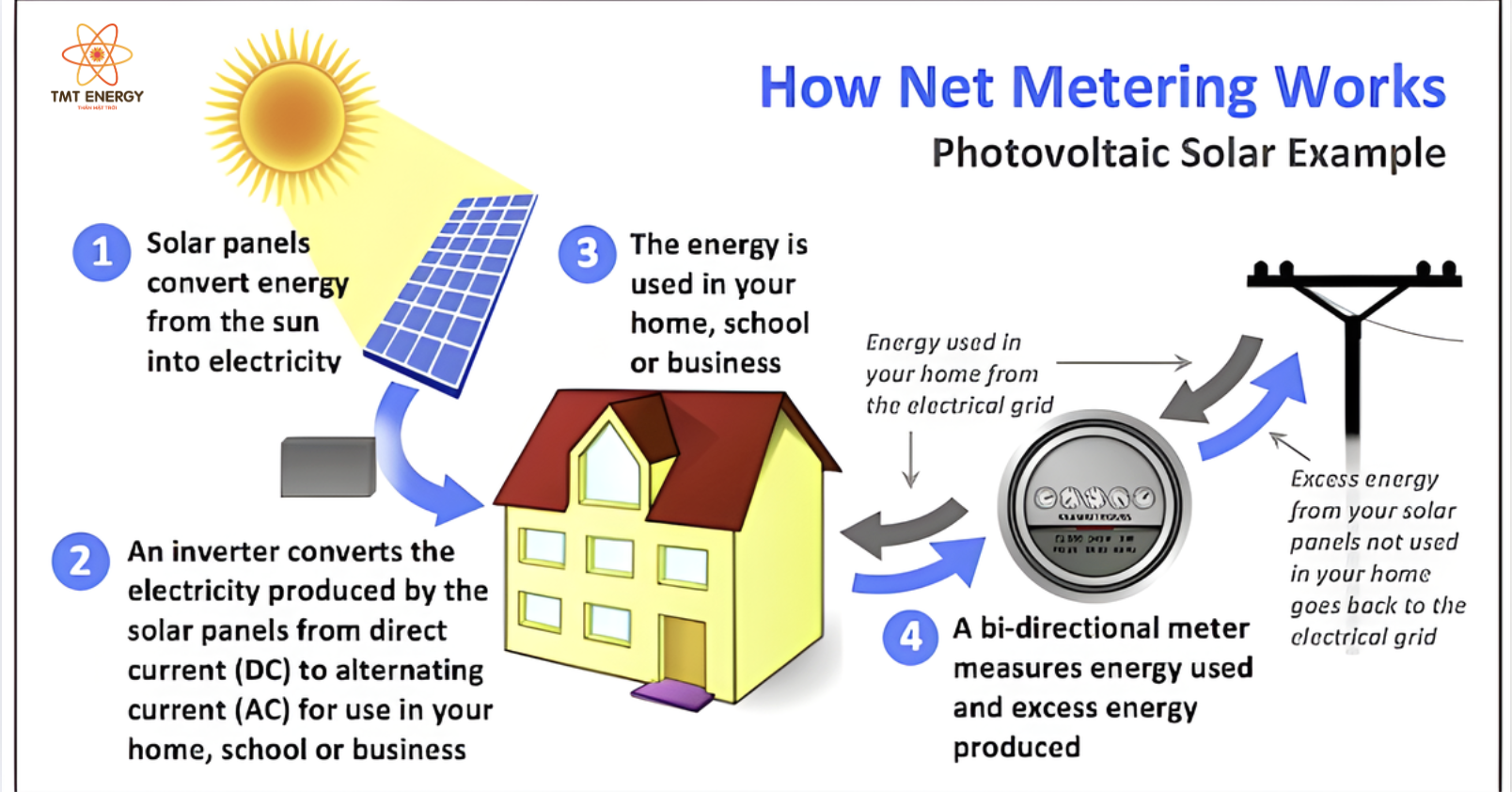
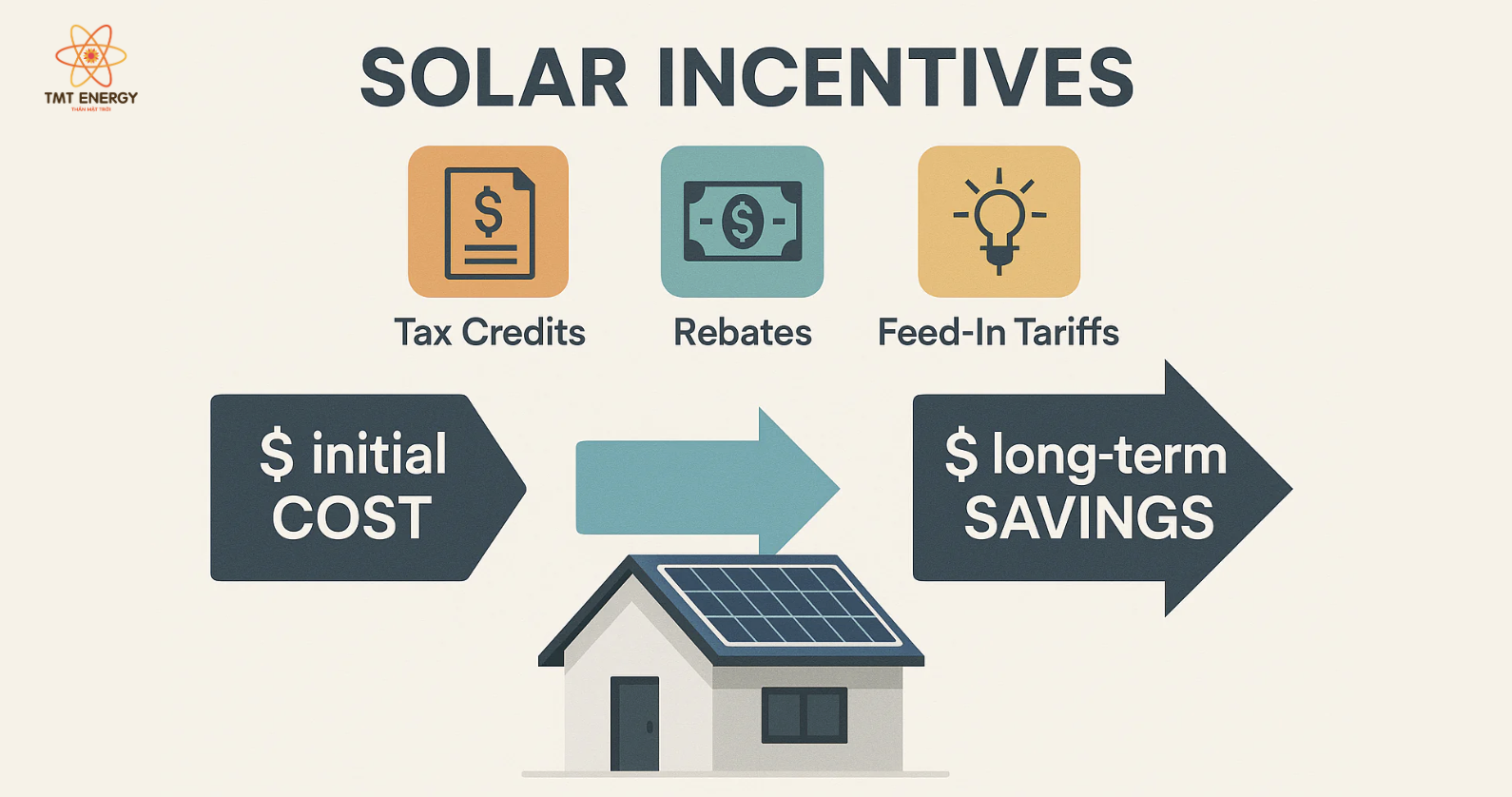
In many areas, net metering systems allow businesses to receive credits for excess solar power that is fed back into the grid. These credits directly reduce future electricity bills, increasing the overall financial return on the solar investment.
Where available, feed-in tariffs provide fixed payments for solar power exported to the grid, creating an additional and predictable revenue stream over the life of the system.
Increase property value
1. Impact on property value
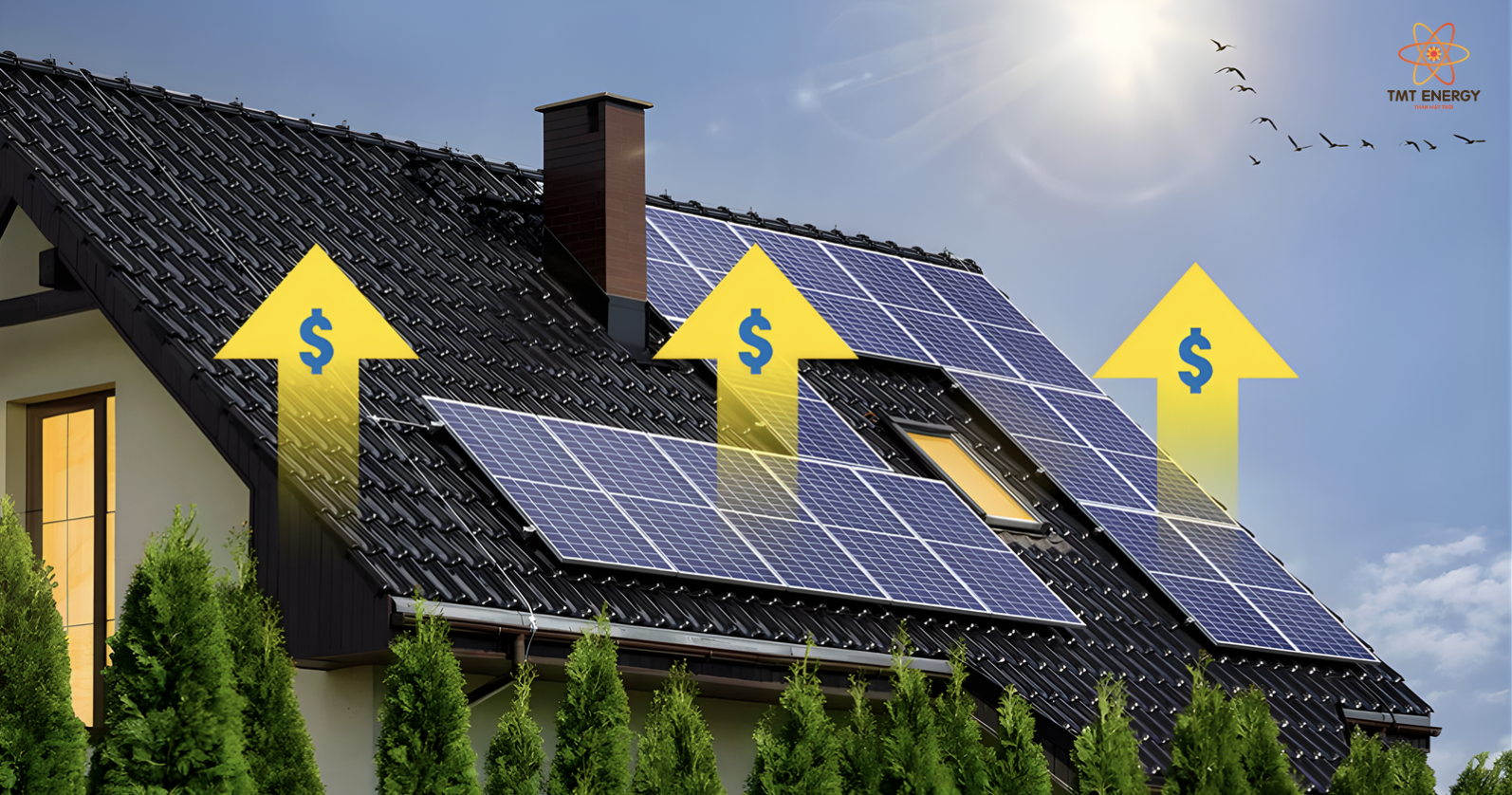
Installing solar energy systems has been shown to significantly increase property values, with the extent of the impact depending on factors such as energy prices, system size, and the demand for renewable energy in the area.
According to research by Zillow, properties equipped with solar energy systems can increase their value by an average of 4.1% , while some markets report increases of up to 20% .
Additionally, properties with solar energy tend to sell faster, as buyers increasingly prioritize energy efficiency and lower operating costs.
2. Benefits of commercial real estate
For commercial real estate, solar energy offers even greater strategic value.
Installing a solar energy system can increase overall property value, improve long-term operational efficiency, and make the property more attractive to potential investors, tenants, or buyers.
Businesses with solar infrastructure can also position themselves as sustainability leaders—an advantage that resonates strongly with environmentally conscious partners, corporate customers, and global supply chains.
These benefits, combined with the potential for significant long-term energy savings, make solar a powerful asset improvement investment for commercial real estate.
Long-term financial returns
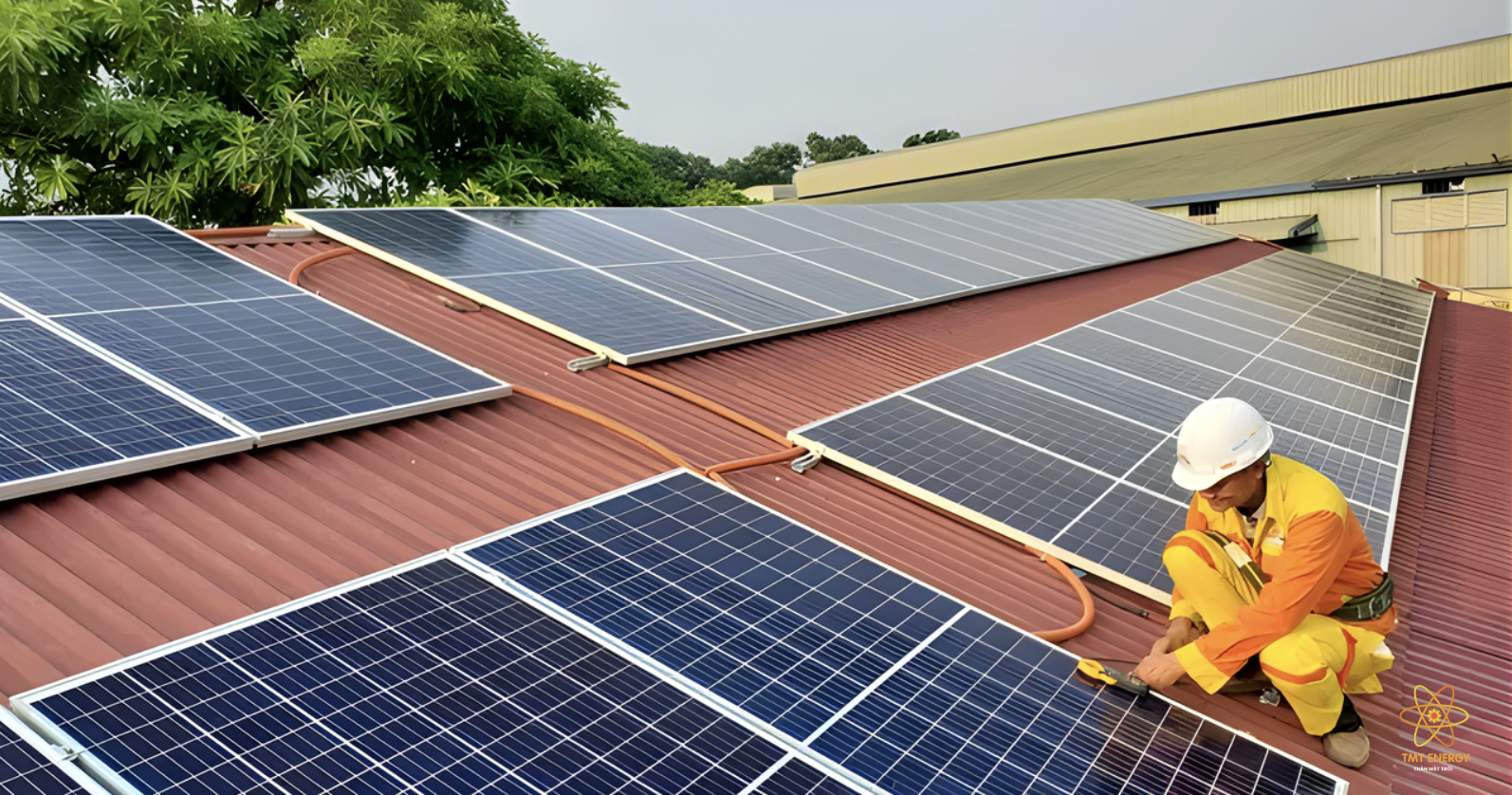
Solar power is not only a clean energy source, but also a strategic long-term investment with stable, predictable returns. With an average payback period of just 3–5 years , well-maintained solar power systems can operate efficiently for 25 years or more . After recovering the initial investment, the electricity generated will essentially be free for the remaining 18–22 years , providing significant savings in the long run.
1. Return on Investment (ROI)
According to Forbes, solar panel installations typically yield a 6–8% return on investment (ROI) , although many long-term investors report returns of 10–12% IRR depending on system size, amount of sunlight, electricity prices, and incentives.
For businesses, this makes solar a reliable financial asset—one that continues to generate economic value year after year.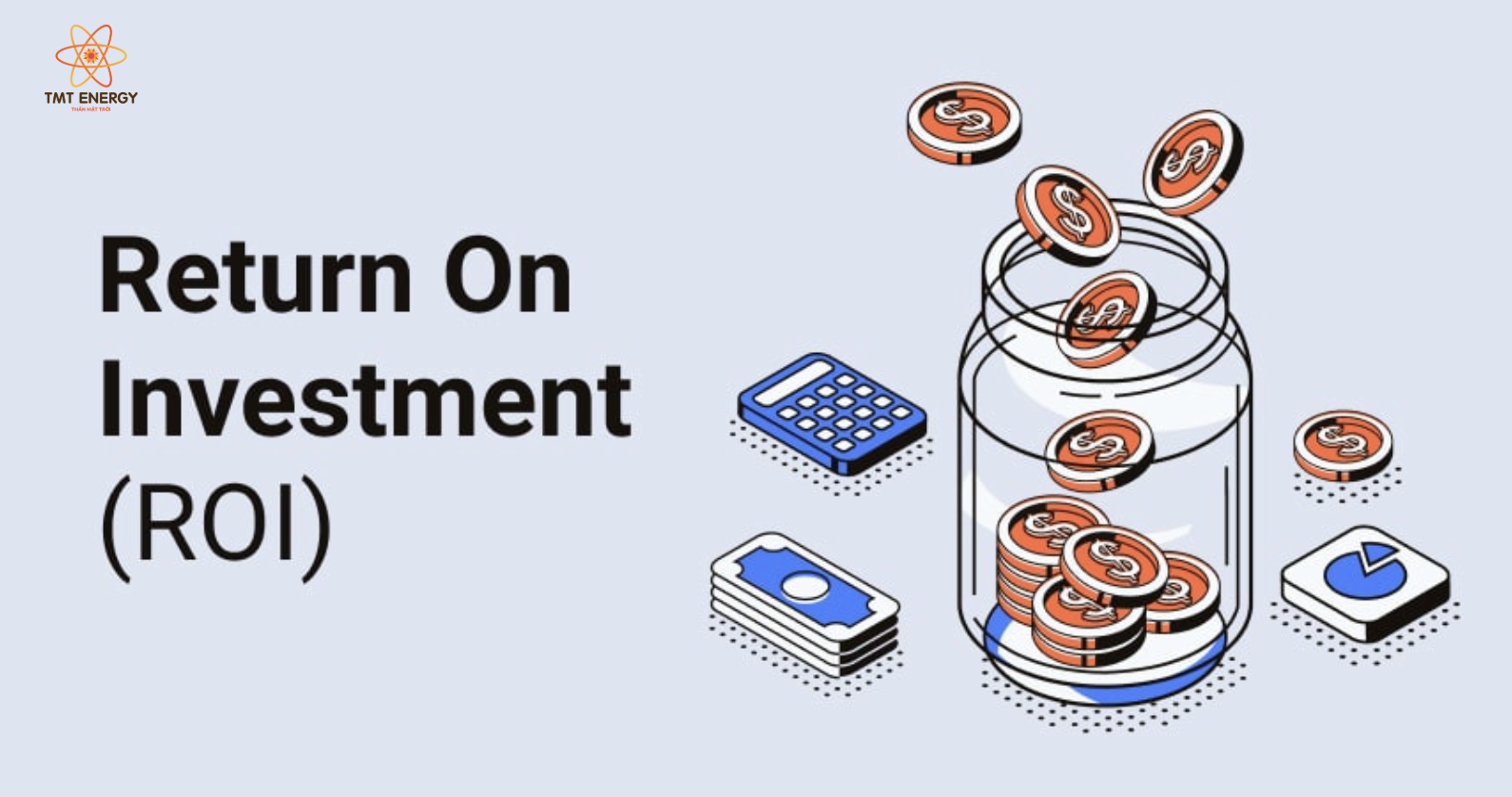
2. Energy independence and stability
Solar power reduces dependence on external grid power, increases resilience to power outages, and protects businesses from rising electricity prices. This energy independence enhances operational stability and supports long-term financial planning.
Maintenance and Reliability
1. Low maintenance costs
Solar systems require minimal maintenance. Regular cleaning and periodic inspections are usually sufficient to maintain optimal performance.
Most solar panels come with a 25-year performance warranty , ensuring consistent energy production and long-term reliability.
With such low maintenance requirements, operating costs remain extremely low – adding up to overall financial savings over the life of the system.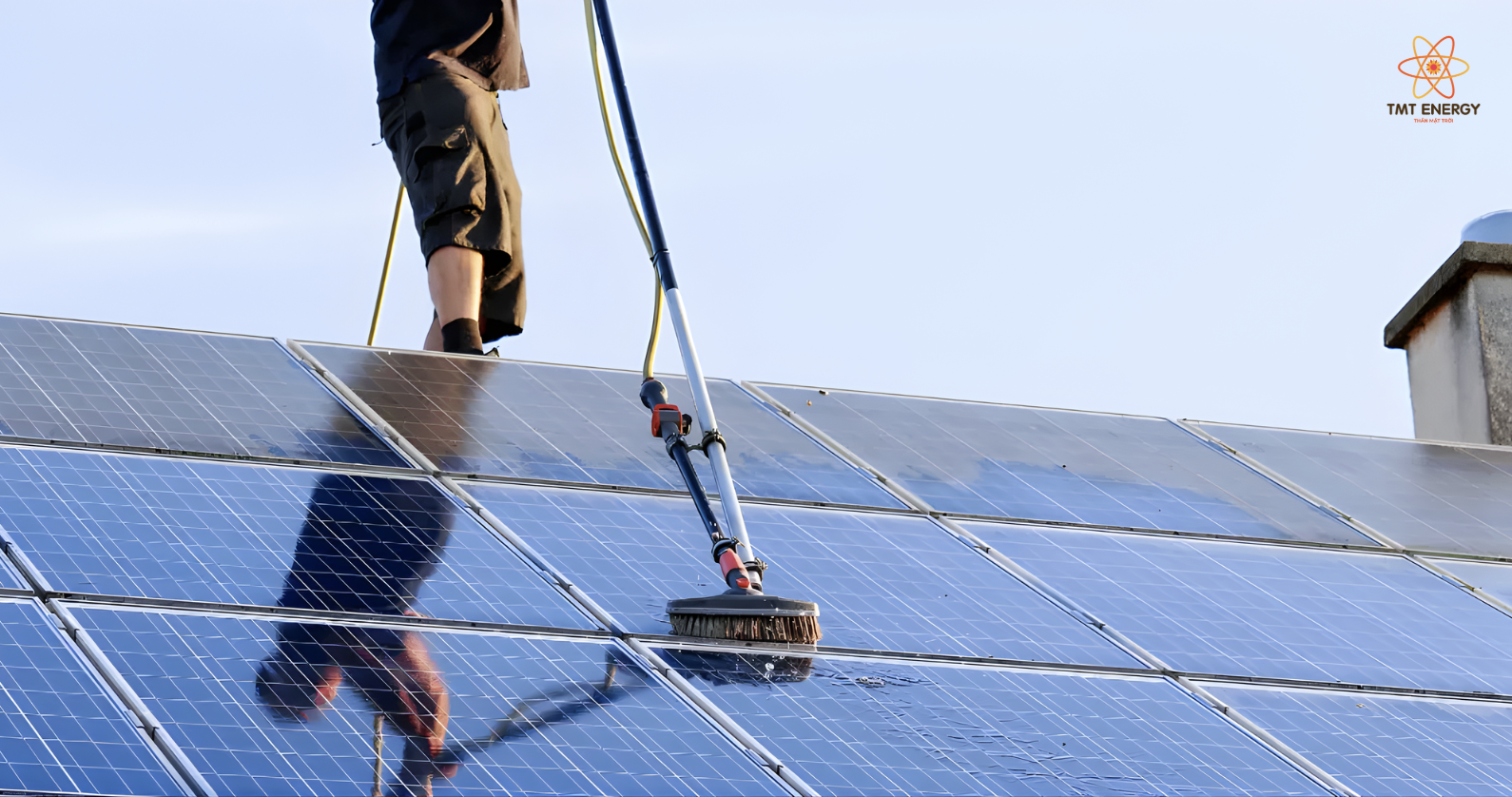
2. Durability and longevity
Designed to withstand harsh weather conditions, solar panels are engineered for durability and longevity. Their resilience ensures businesses continue to benefit from predictable energy savings year after year, improving overall return on investment and maximising cost efficiency.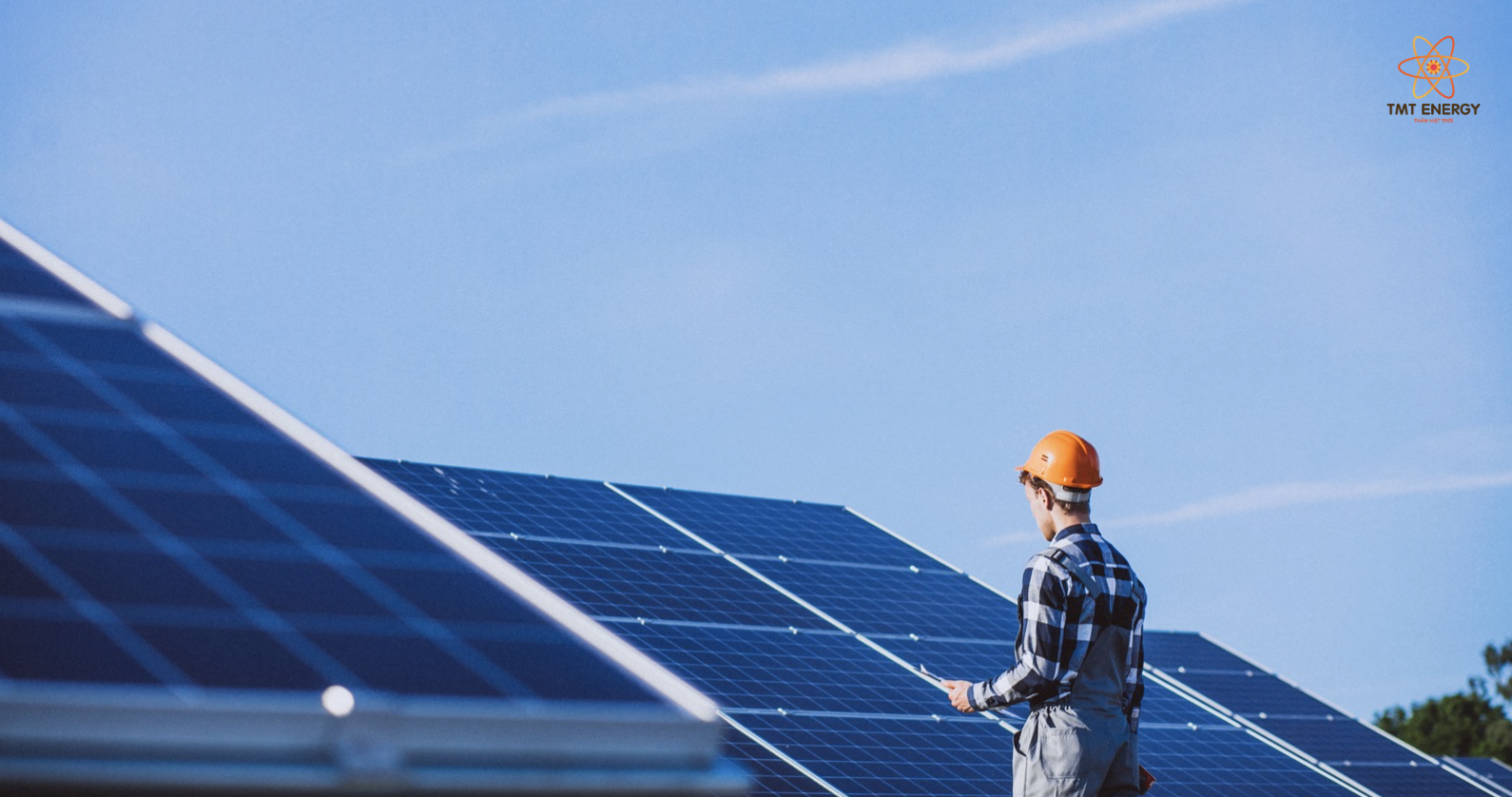
Future trends in solar energy and cost savings
1. Technological progress
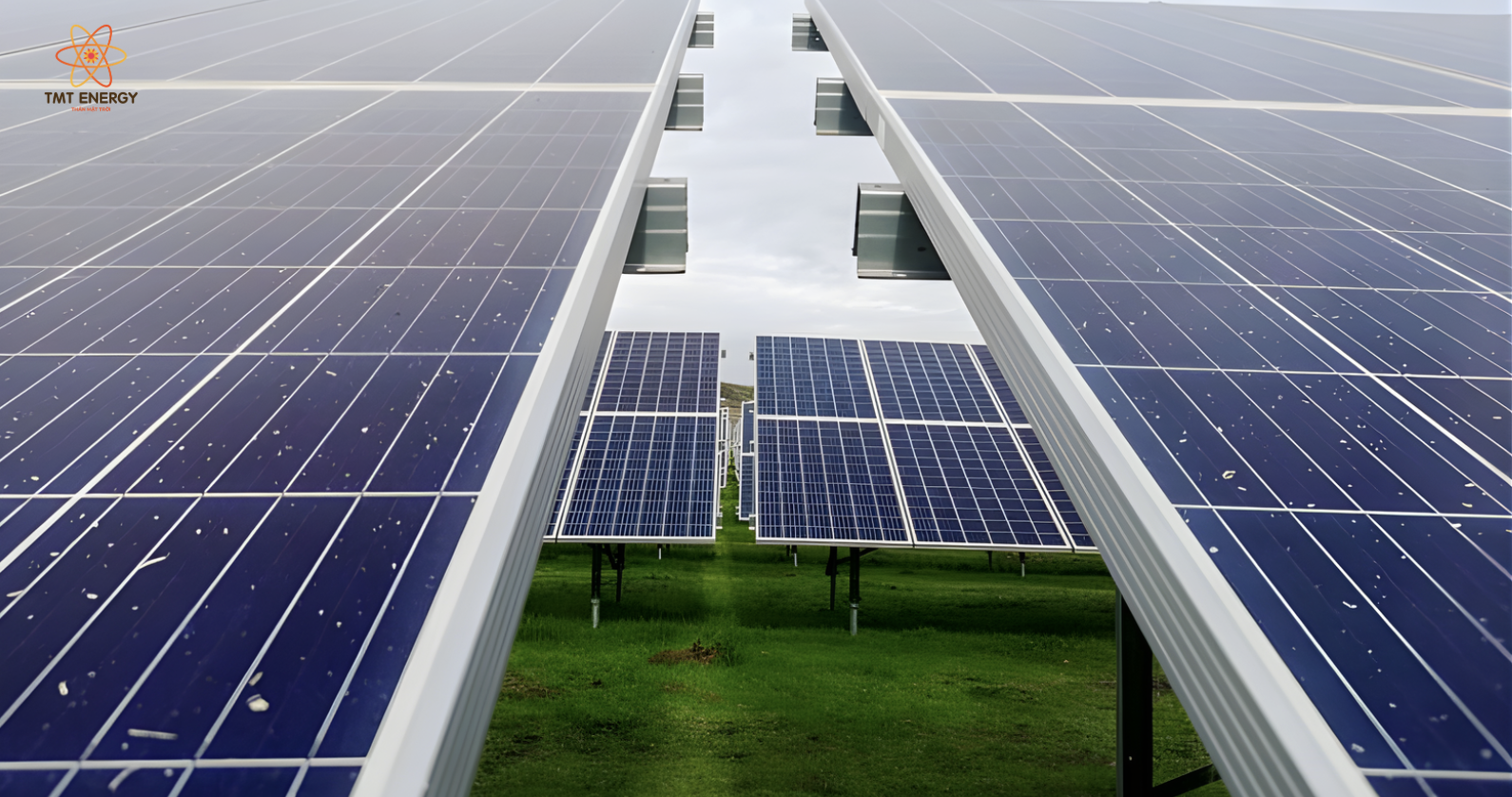
Continuous innovation in solar technology is driving down costs and improving efficiency. Breakthroughs such as high-efficiency panels, smart inverters and advanced energy storage systems will continue to improve the financial efficiency of solar systems, delivering even greater savings for businesses.
2. Market trends
As solar adoption increases globally, economies of scale are driving down installation costs. This trend is making solar more accessible and financially attractive to commercial users, amplifying the economic benefits of going solar.
Conclusion
Solar energy offers a compelling pathway for long-term cost savings and sustainable financial growth. By investing in solar power systems, businesses can significantly reduce electricity expenses, enhance property value, and secure stable returns over decades.
With additional advantages such as low maintenance requirements, continuous technological advancements, and flexible scalability, solar energy stands out as a future-ready investment. In partnership with TMT Energy, businesses gain access to comprehensive energy solutions—from consultation and system design to installation and operation of solar and energy storage systems—ensuring optimized investment performance, enhanced safety, and a smooth transition toward clean, sustainable energy.
