
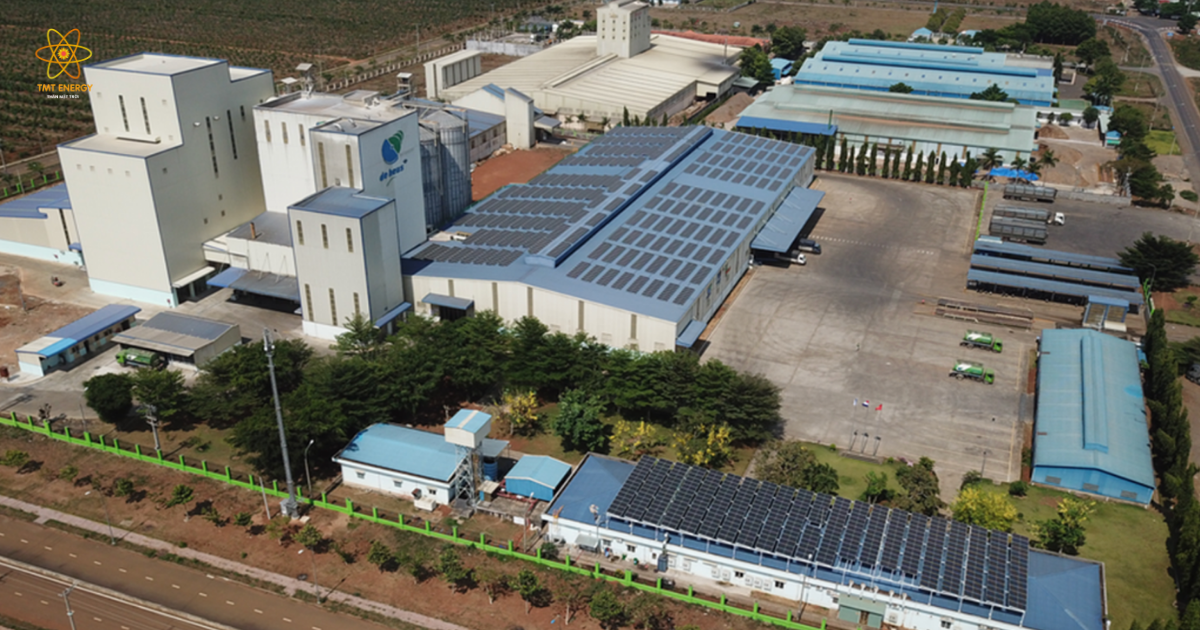
At many major industrial parks in Ho Chi Minh City, Dong Nai, Binh Duong, and Hai Phong, footwear manufacturing plants and logistics centers are facing growing pressure from rising electricity demand. Their shift-based, continuous operations—covering full-factory lighting systems, high-power production lines, cold storage facilities, and automated logistics solutions—result in electrical loads that are not only high but also highly variable across different working hours.
Even without the implementation of time-of-use (TOU) electricity pricing, recurring peak loads during the second shift and localized load spikes in the third shift are sufficient to place significant pressure on both energy costs and power system stability. In this context, Battery Energy Storage Systems (BESS) are increasingly viewed as a viable technical solution for peak shaving, voltage stabilization, and the mitigation of operational risks.
However, BESS is not a “plug-and-play” solution. Its actual effectiveness depends heavily on the analysis of real load data, operational characteristics, and the specific energy requirements of each facility. Only when properly designed and configured based on accurate data can BESS fully deliver its value in an enterprise’s energy management strategy.
Why do Shift 2 and Shift 3 become load “hotspots”?
Shift 2 (afternoon – evening): system-wide peak demand
In many industrial parks, Shift 2 coincides with the period of highest production intensity. Footwear production lines ramp up output to meet schedules, factory lighting operates at full capacity, and heavy-duty equipment such as industrial fans, presses, and stamping machines runs continuously. The combined operation of these loads leads to recurring daily peaks, causing voltage fluctuations and increasing the risk of localized overloading within internal distribution systems.
Shift 3 (night – early morning): load spikes from cold storage and logistics
During Shift 3, logistics hubs and cold storage facilities continue operating around the clock. The staggered start-up of refrigeration compressors, conveyor systems, and automated warehouses generates significant instantaneous load spikes. These sudden changes can result in localized voltage dips and negatively impact sensitive electrical equipment connected to the same network.
In both shifts, the core challenge lies not in the total amount of electricity consumed, but in the stability of power demand at specific moments of operation. This is precisely the technical gap that Battery Energy Storage Systems (BESS) are well positioned to address, by smoothing load profiles, improving power quality, and enhancing overall system reliability.
Three BESS application scenarios based on real load data
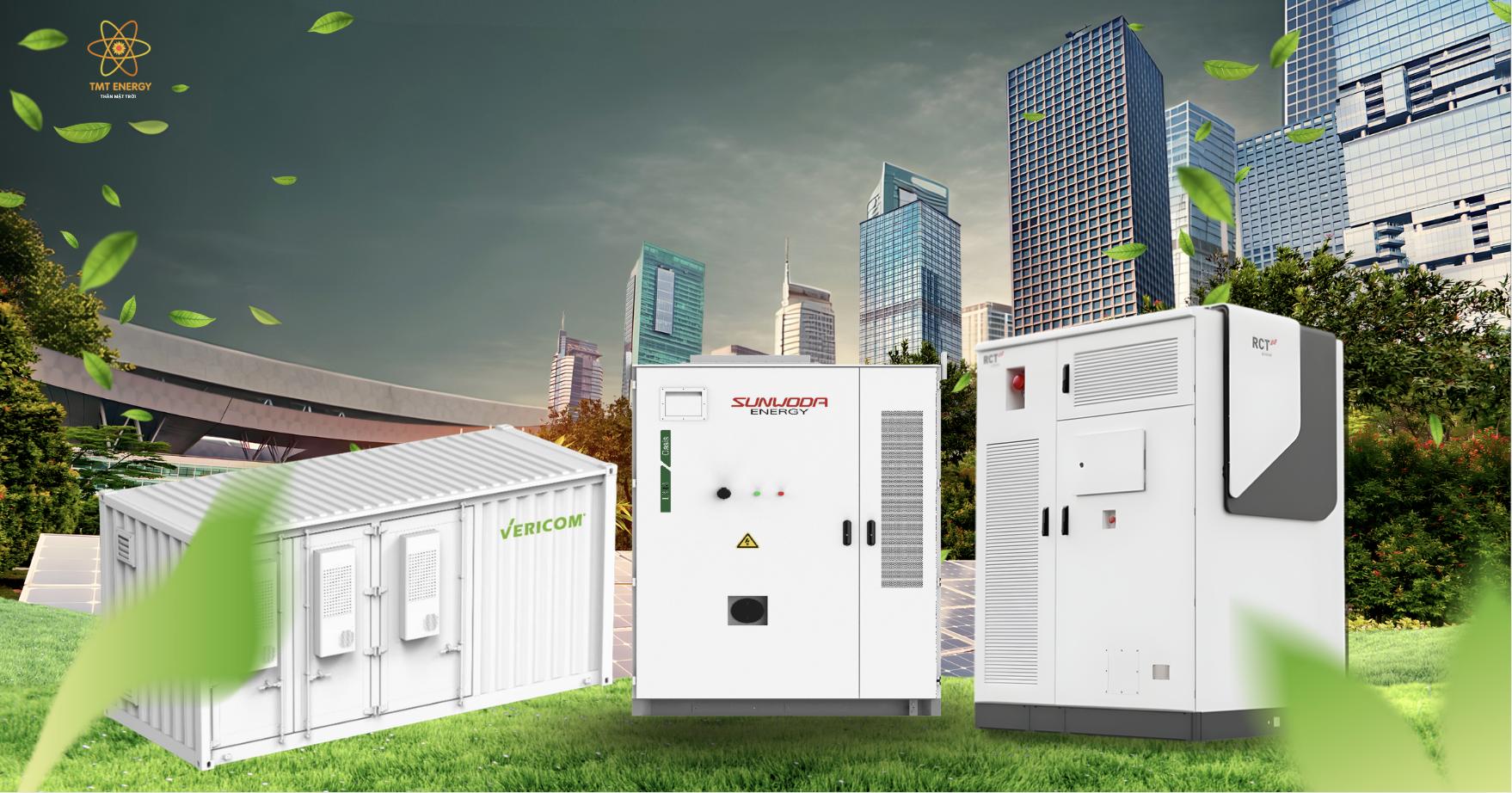
At present, TMT Energy has not yet announced large-scale commercial BESS projects. However, the company possesses a substantial database of continuous 24-hour load profiles over 30-day periods, collected from hundreds of operating rooftop solar systems and ESCO projects. This data pool forms a critical foundation for simulating load behavior and evaluating suitable BESS configurations—an approach aligned with the methodologies adopted by leading international energy companies.
1. Peak shaving for Shift 2 and Shift 3 in footwear manufacturing plants
For footwear and garment factories, load characteristics typically show recurring daily peak demand patterns that align closely with production shifts. Under this scenario, BESS is operated according to the following principles:
-
Charging during low-load periods
-
Discharging when demand rises or peak loads occur
-
Smoothing the overall load profile
-
Improving voltage quality for production lines
Years of experience in deploying rooftop solar systems enable TMT Energy to design and validate BESS scenarios using actual operational data rather than purely theoretical assumptions. This data-driven approach allows each solution to be tailored to the specific conditions of individual factories, enhancing investment efficiency and operational reliability.
2. Mitigating localized peaks for logistics centers and cold storage facilities
Cold storage loads are generally stable; however, refrigeration compressors generate significant load spikes during start-up. In this scenario, BESS functions as a “fast-response power source” by:
-
Delivering instantaneous power when sudden demand occurs
-
Reducing voltage fluctuations
-
Preventing voltage dips that could disrupt warehouse management systems, electronic weighing scales, and IoT devices
Experience gained from rooftop solar and similar facilities has given TMT Energy a clear understanding of seasonal and shift-based load cycles—an essential factor in designing effective and reliable BESS solutions.
3. BESS as a “safety buffer” for sensitive production lines
Processes such as drying, pressing, and inspection cannot be stopped abruptly without causing operational or product quality issues. In this context, BESS serves as an ultra-short-term backup power source by:
-
Stabilizing voltage during grid fluctuations
-
Protecting sensitive equipment
-
Reducing the risk of production defects
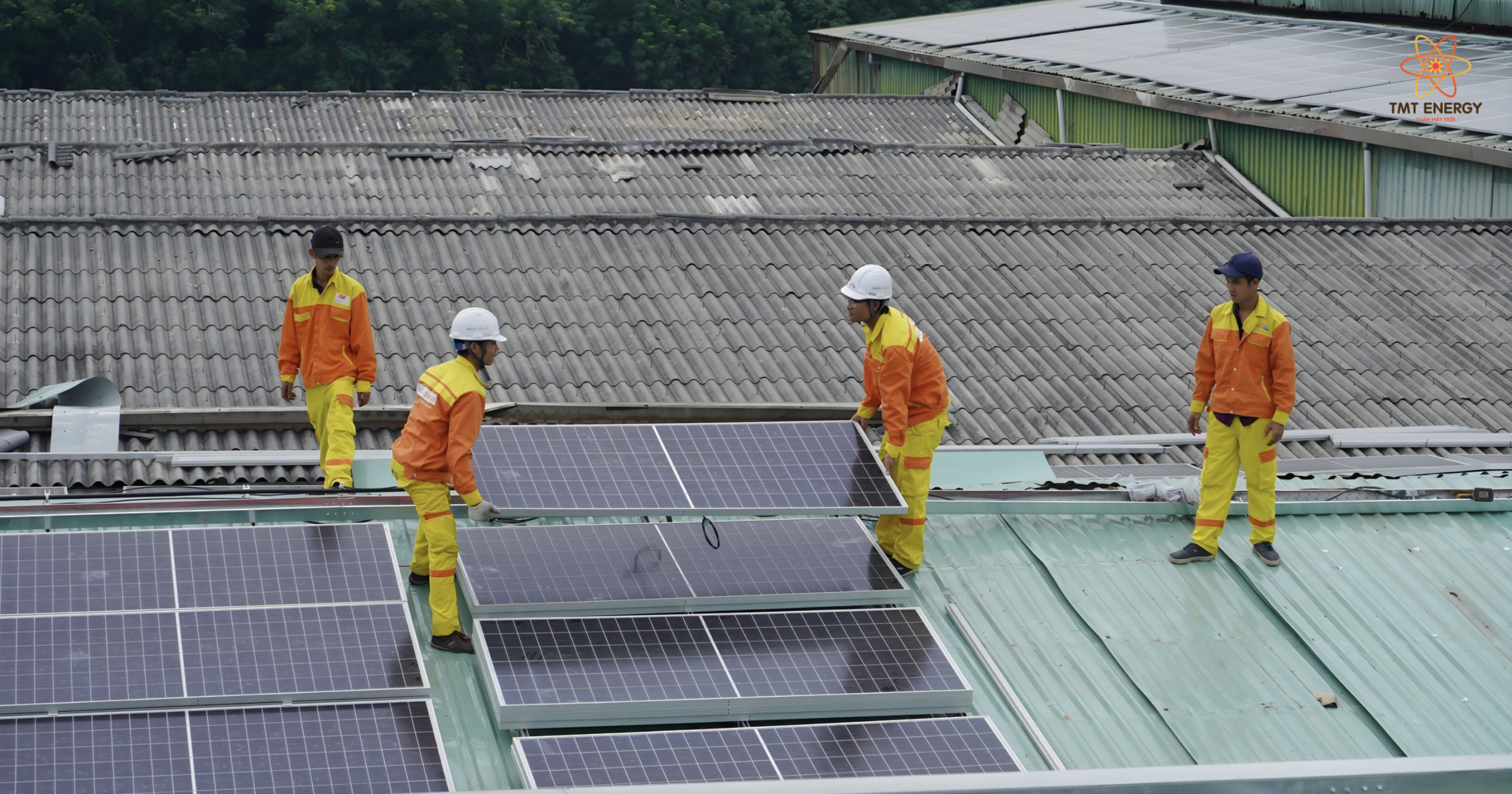
TMT Energy’s experience in deploying rooftop solar systems at facilities with high reliability requirements such as Toyota commercial complexes and power utility sites provides a solid technical foundation for developing BESS configurations for C&I applications when the market is ready.
BESS should not be deployed as a trend: “analyze first, invest later”
A responsible BESS deployment requires a structured, data-driven approach:
-
Collecting 24-hour load data over at least 30 days
-
Identifying priority and critical load zones
-
Simulating Grid – Rooftop Solar – BESS interactions under multiple scenarios
-
Assessing impacts on voltage stability, peak demand, and operational risks
-
Only then evaluating economic performance and return on investment
With its access to real operational data and hands-on experience, TMT Energy is well positioned to act as a technical analysis partner—rather than merely an equipment supplier—in supporting enterprises on their BESS journey.
BESS is not for every factory—but it is a critical tool for multi-shift operations
For footwear manufacturers and logistics operators—where load profiles fluctuate significantly during Shift 2 and Shift 3—BESS serves as a technical solution to reduce operational risks, stabilize power quality, and take an early step toward meeting ESG standards within global supply chains.
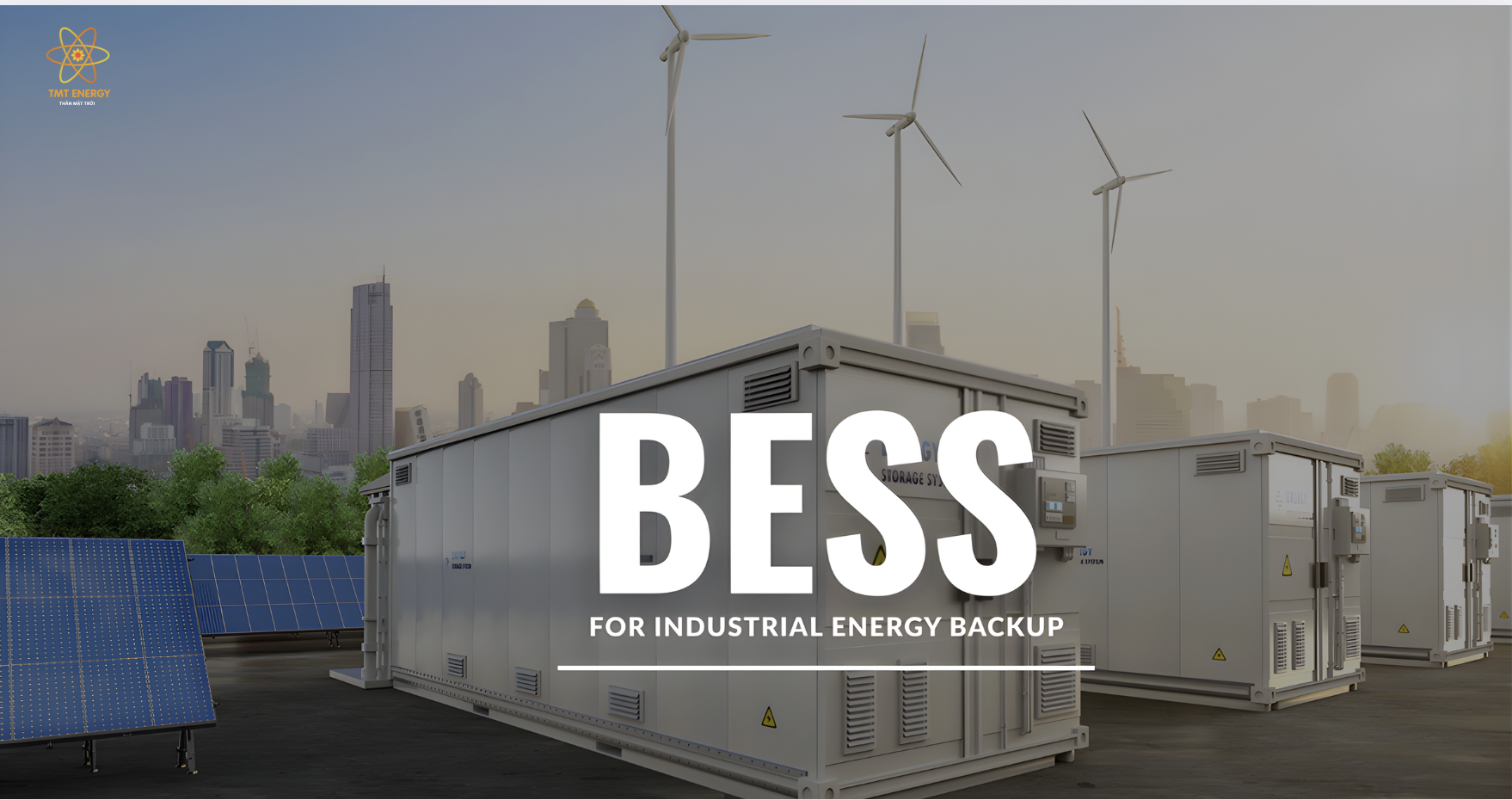
As electricity markets become increasingly complex, understanding load behavior before making an investment is not just a smart choice—it is a prerequisite for ensuring that BESS delivers real and measurable value.
Wondering whether your facility is suitable for BESS deployment?
Let TMT Energy analyze your load profile and run technical simulations before you invest.
Contact TMT Energy’s energy experts to receive data-driven consulting tailored to your operations.
