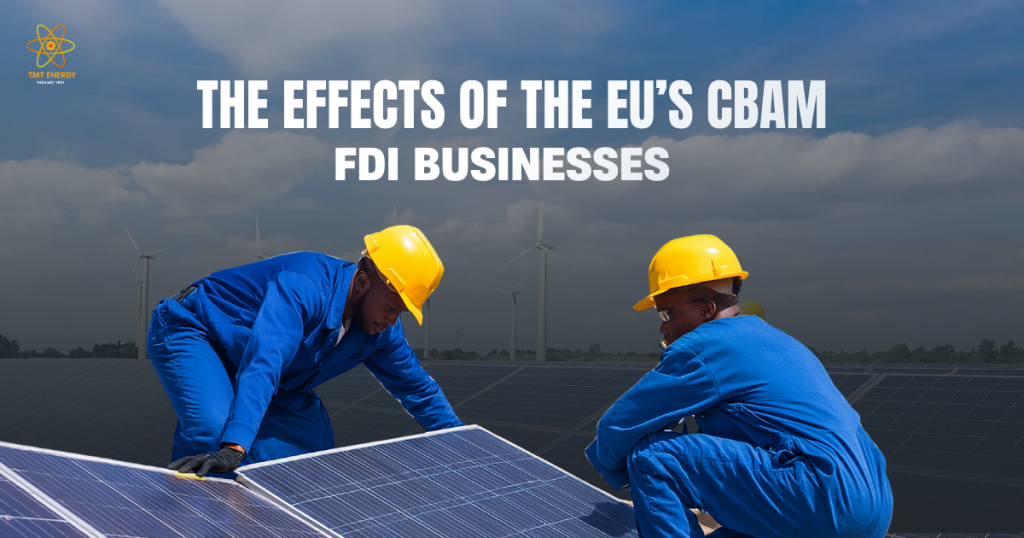
The European Union’s Carbon Border Adjustment Mechanism (CBAM) is increasingly influencing how foreign-invested enterprises (FDI) in Vietnam plan, operate, and expand their manufacturing activities. For companies operating in carbon-intensive sectors, CBAM is no longer a distant policy discussion but a practical factor that directly affects production costs, export pricing, and long-term competitiveness. This shift reflects a broader global trend where sustainability is no longer an optional initiative or a corporate branding exercise, but a core requirement for participation in international supply chains.
For Vietnam, a key manufacturing hub in Southeast Asia, the implications are particularly significant. Many FDI enterprises rely heavily on exports to the European Union, where environmental regulations are becoming stricter and more enforceable. CBAM signals a transition toward a trade environment in which carbon efficiency is treated as an economic variable, not just an environmental concern.
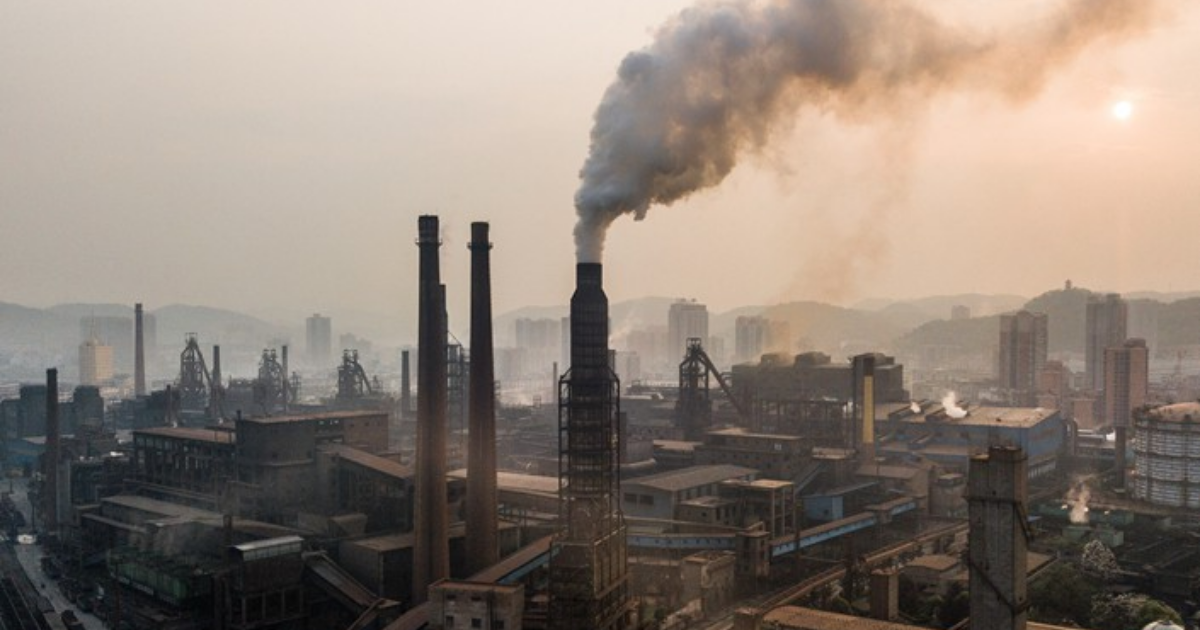
CBAM was introduced as part of the EU’s climate action framework, which aims to reduce greenhouse gas emissions by at least 55% by 2030 and to align global trade with the EU’s long-term Net Zero targets. While EU manufacturers have long been subject to carbon pricing through mechanisms such as the EU Emissions Trading System (EU ETS), overseas producers exporting to the EU have often operated without comparable carbon costs. This imbalance created competitive distortions and increased the risk of carbon leakage, where production shifts to regions with weaker environmental regulations.
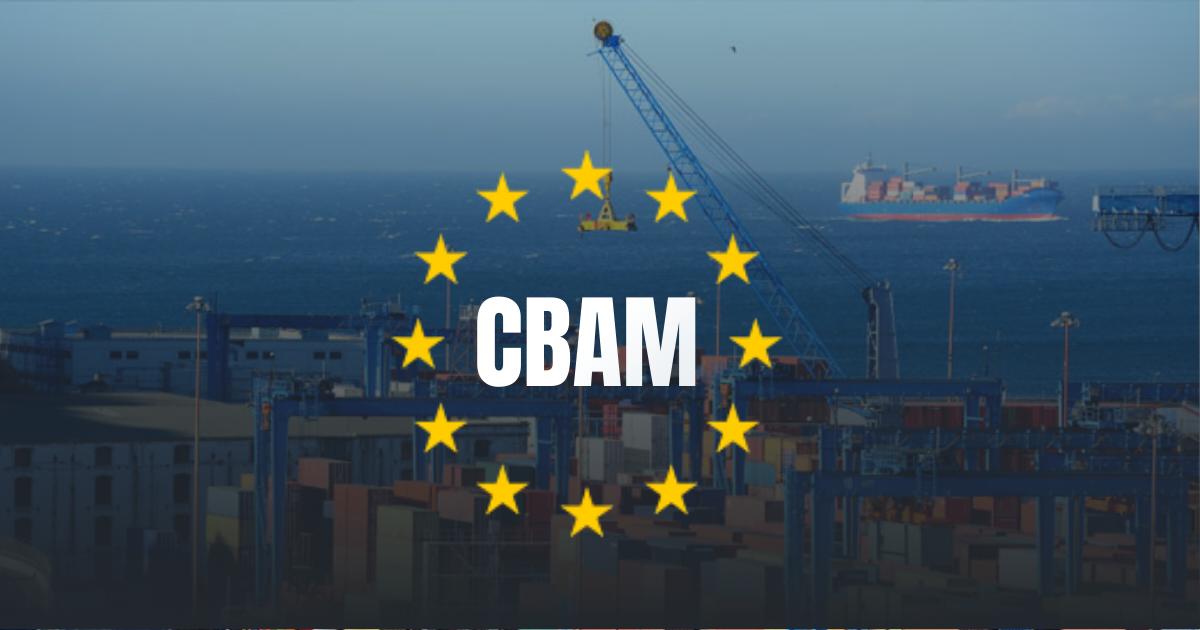
By applying a carbon cost to imported goods based on their embedded emissions, CBAM seeks to level the playing field between EU and non-EU producers. At the same time, it sends a clear policy signal that access to the EU market will increasingly depend on transparent emissions data, verified reporting systems, and credible decarbonisation strategies.
Who Is Affected and How?
In its initial implementation phase, CBAM focuses on energy-intensive manufacturing sectors such as iron and steel, cement, aluminium, fertilisers, and electricity. These industries are among the largest contributors to global carbon emissions and also represent a substantial share of Vietnam’s exports to the European Union. As a result, a significant number of FDI enterprises operating in Vietnam fall directly within the scope of CBAM.
For Vietnamese FDI exporters, CBAM introduces both operational and financial consequences. Companies exporting covered goods to the EU will be required to purchase CBAM certificates that correspond to the verified carbon emissions embedded in their products. The higher the emission intensity of the production process, the higher the cost of compliance. Over time, this can directly impact profit margins and pricing strategies in the EU market.
Beyond certificate costs, enterprises must also establish or upgrade systems to measure, monitor, and report greenhouse gas emissions in line with EU methodologies. This requirement goes beyond basic environmental reporting and often involves detailed data collection at process level, internal audits, third-party verification, and the development of in-house sustainability expertise. For many companies, this represents a new layer of operational complexity and compliance risk.
Where enterprises are unable to provide reliable emissions data, EU authorities may apply default emission factors. These default values are typically conservative and higher than actual emissions, leading to increased compliance costs and reduced competitiveness. This makes accurate measurement and reporting not only a regulatory requirement but also a financial necessity.
Supply Chain and Investment Impacts
CBAM’s influence extends well beyond individual production facilities. European buyers and multinational corporations are increasingly prioritising suppliers with lower carbon footprints, placing pressure across entire supply chains to decarbonise. FDI manufacturers in Vietnam may face additional requirements from EU customers, including emissions disclosure at supplier level and commitments to long-term carbon reduction targets.
Domestic suppliers supporting FDI enterprises are also affected. Companies that fail to improve energy efficiency or reduce emissions risk losing contracts as lead firms restructure their supply chains to comply with CBAM-related expectations. This dynamic is accelerating the adoption of greener production practices throughout Vietnam’s industrial ecosystem.
From an investment perspective, CBAM aligns closely with the growing emphasis on environmental, social, and governance (ESG) criteria. Capital markets, multinational investors, and development institutions are increasingly favouring industrial projects that demonstrate readiness for climate regulations. As a result, eco-industrial parks, energy-efficient factories, and facilities capable of integrating renewable energy solutions are becoming more attractive destinations for sustainable FDI.
Roadmap for Vietnamese FDI Firms
To adapt effectively to CBAM, Vietnamese FDI enterprises can adopt a phased and structured approach. In the short term, the focus should be on compliance, including the establishment of reliable greenhouse gas measurement, reporting, and verification systems that meet EU regulatory standards. Early compliance helps reduce uncertainty and avoid the financial risks associated with default emission values.
In the medium term, companies can pursue operational optimisation by reducing emissions intensity through energy efficiency improvements, process upgrades, and the transition to lower-carbon energy sources. Renewable energy solutions, cleaner fuels, and smarter energy management systems can play a key role in stabilising energy costs while reducing exposure to future carbon pricing.
In the long term, CBAM encourages enterprises to rethink broader supply chain strategies and investment decisions. This includes prioritising low-emission partners, integrating ESG considerations into site selection and expansion planning, and aligning corporate sustainability strategies with global climate regulations. Companies that adopt a proactive approach are more likely to secure long-term access to EU markets and attract sustainability-focused investors.
TMT Energy’s Role in Supporting Adaptation
In response to these evolving regulatory and market challenges, TMT Energy supports FDI enterprises in Vietnam by providing integrated energy and infrastructure solutions designed to reduce carbon intensity and improve operational resilience. Through energy-efficient system design and the integration of renewable energy solutions such as rooftop solar, businesses can lower emissions, manage CBAM-related compliance costs, and strengthen long-term competitiveness.
As global expectations around environmental performance continue to rise, investing in greener infrastructure and cleaner energy systems is no longer a defensive measure. It is a strategic investment that enables enterprises to maintain export competitiveness, enhance ESG performance, and position themselves as sustainable partners in global supply chains.